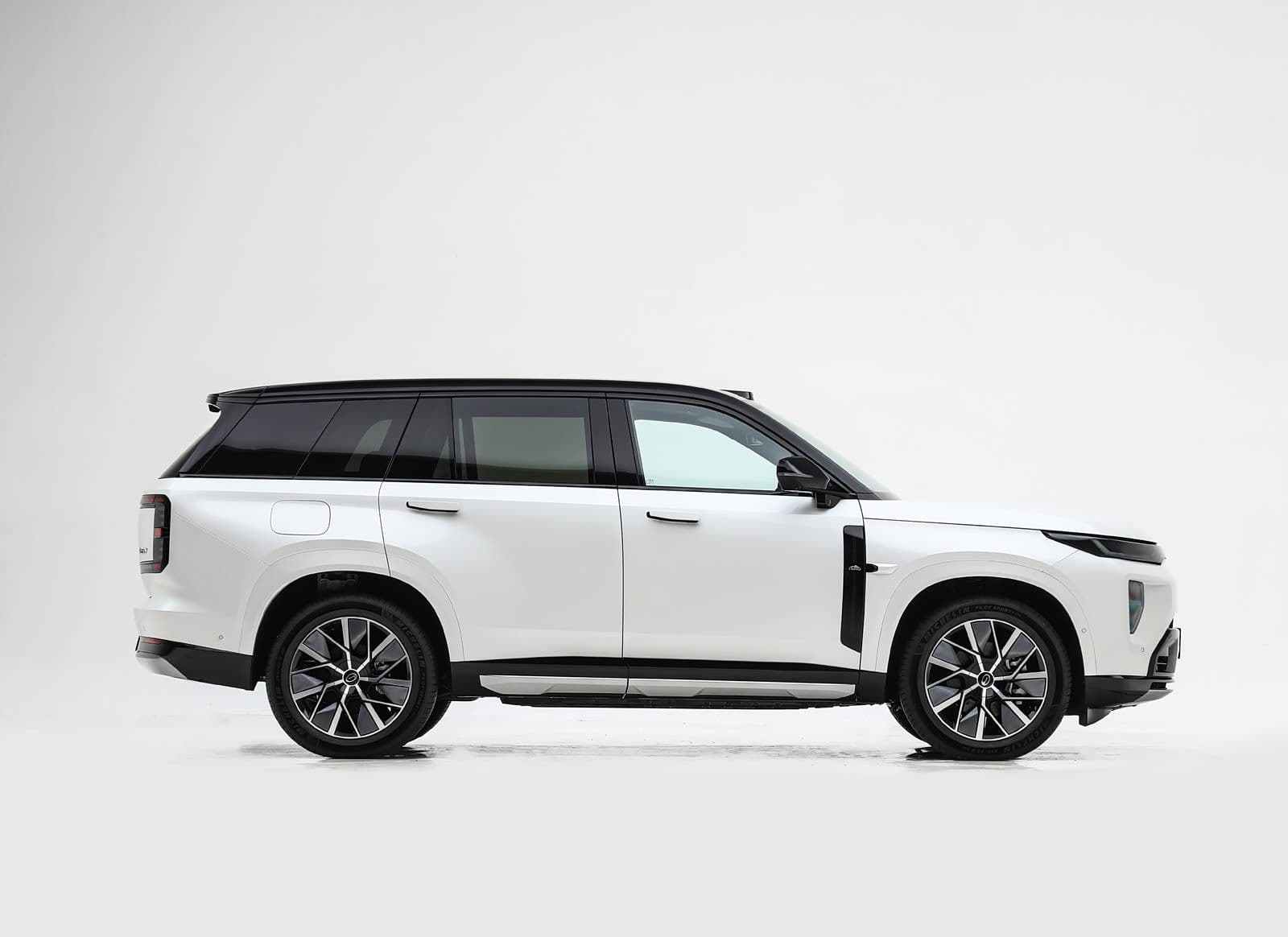
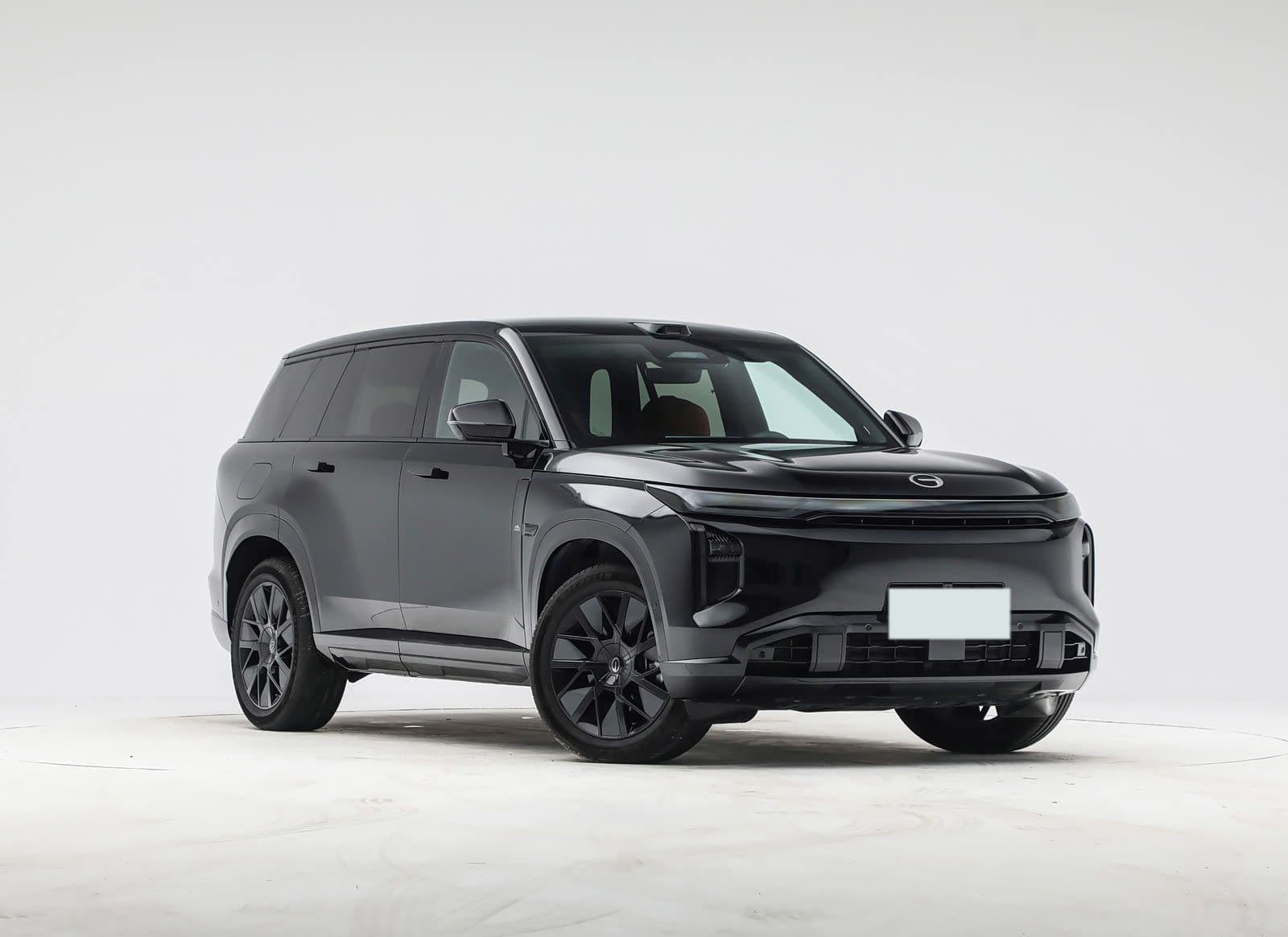
255km vs 205km vs 180km EV Range: Matching GAC S7 Battery Trims to Local Market Needs
Three electric-range figures, two battery sizes and two test cycles. Here is what 255 km, 205 km and 180 km really mean for your buyers — and which markets each one suits.
By EVtoUPublished 3 min read
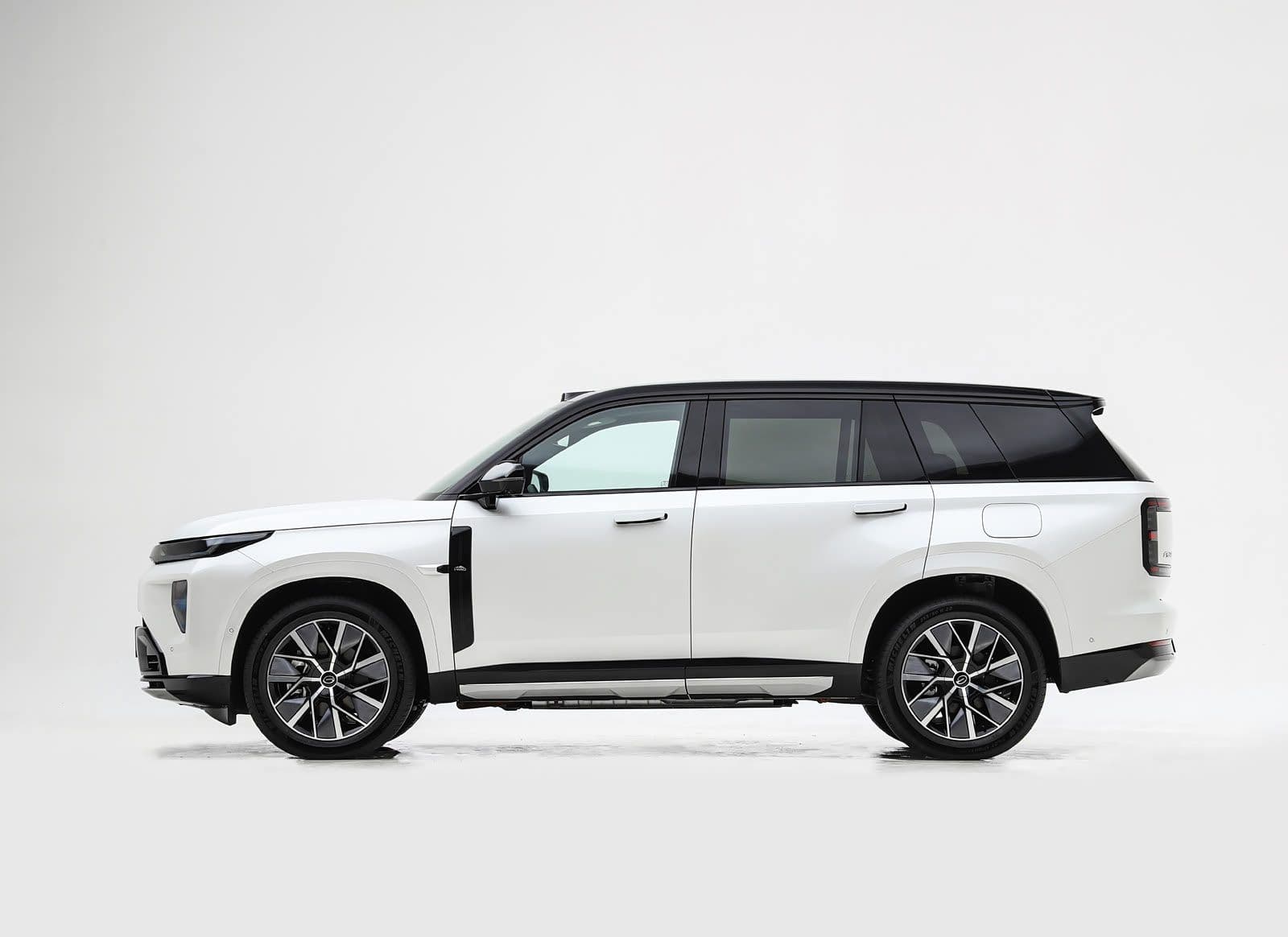
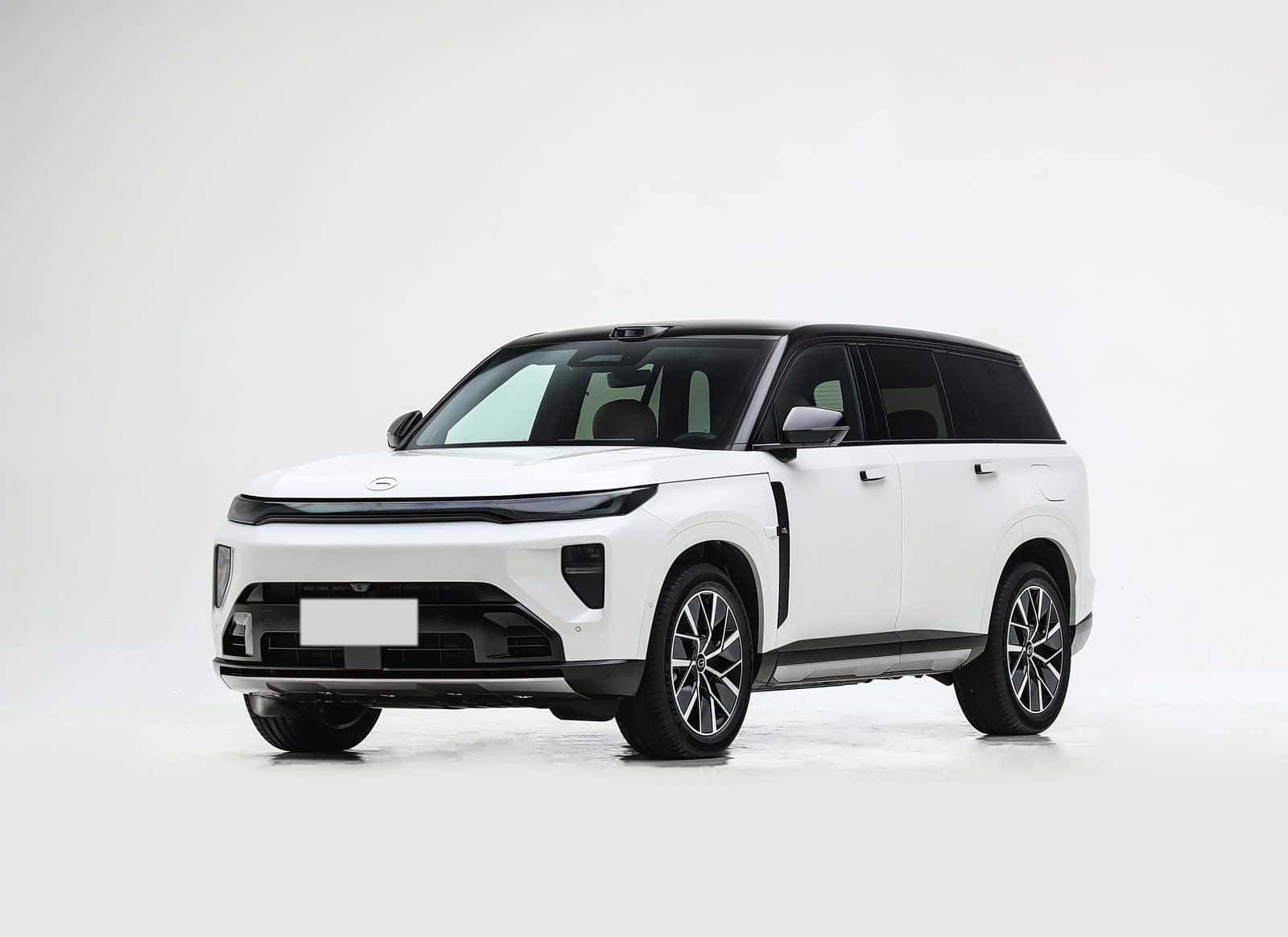
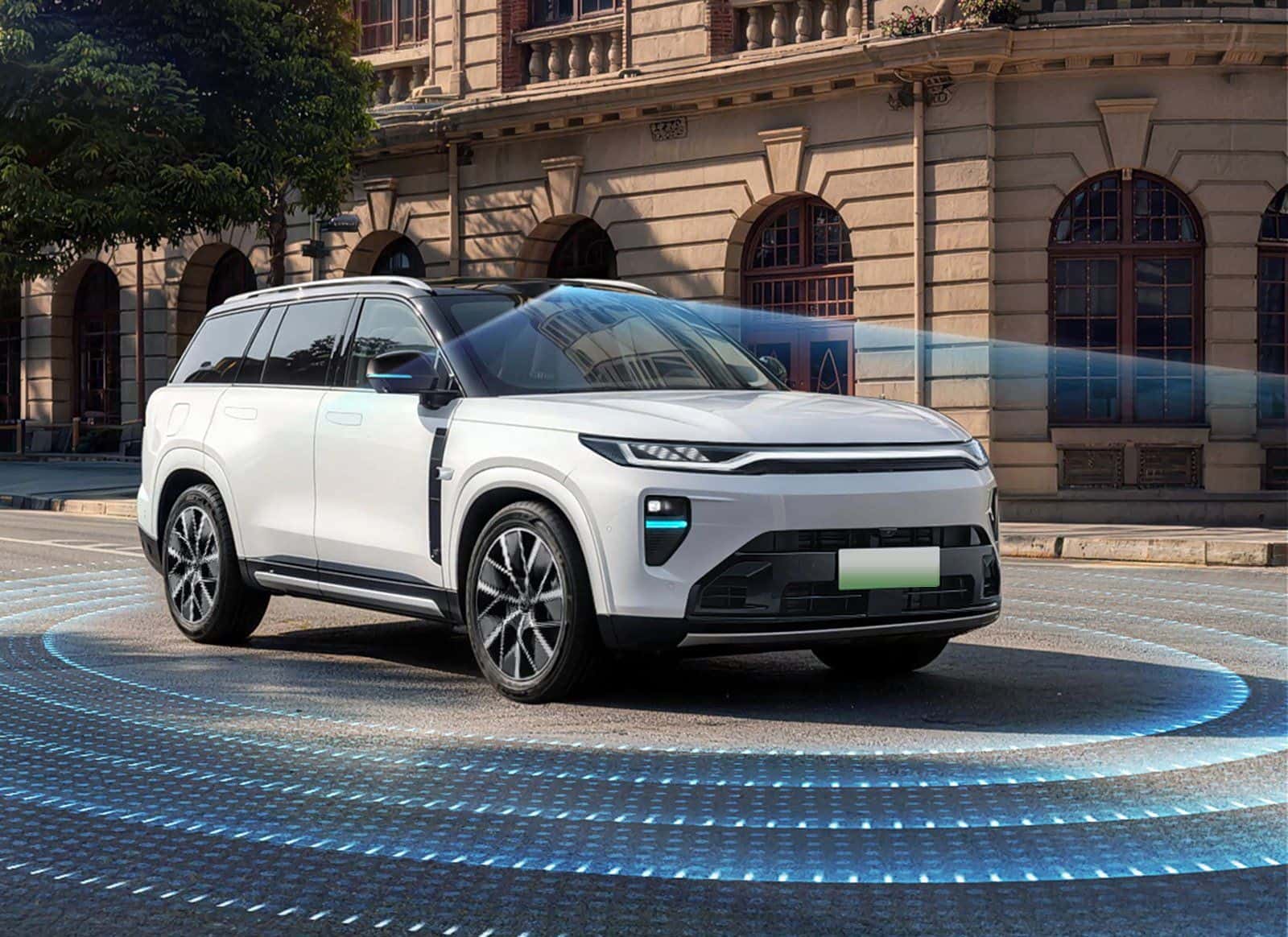
Every GAC S7 lists one of three electric ranges: 255 km, 205 km or 180 km (CLTC). The 2026 Ultra 4WD adds a fourth, 240 km. Those numbers decide how often a buyer will run on electricity alone — and therefore how you should present the car in your market.
Where do the three range figures come from?
| Electric range (CLTC) | WLTC | Battery | Drive | Trims |
|---|---|---|---|---|
| 255 km | 185 km | 38.88 kWh | FWD | 2026 Pro, Pro LiDAR, Max LiDAR |
| 240 km | 180 km | 38.88 kWh | 4WD | 2026 Ultra 4WD LiDAR |
| 205 km | 170 km | 36.3 kWh | FWD | 2025 Pro+, Pro+ LiDAR, Max, Max Smart Driving, Max LiDAR |
| 180 km | 160 km | 36.3 kWh | 4WD | 2025 Ultra 4WD, Ultra 4WD LiDAR |
The difference between 255 km and 205 km comes from the larger 2026 battery. The difference between FWD and 4WD comes from the extra rear motor and weight.
CLTC or WLTC: which range should you quote to buyers?
CLTC is the China Light-duty Vehicle Test Cycle; WLTC is the Worldwide harmonised Light vehicles Test Cycle used in many other markets. The GAC S7's own data shows the gap: 255 km CLTC equals 185 km WLTC. If your buyers are used to European or WLTP-style figures, quote WLTC — it sets realistic expectations and avoids disappointed customers. Real-world range also depends on speed, temperature and air-conditioning use.
How much electric range do buyers actually need?
Most private and fleet vehicles cover far less than 150 km on a typical day. That means all GAC S7 trims can run a normal day on electricity if the vehicle can charge overnight. The question for your market is less "how far" and more "how often can owners charge?"
- Owners can charge at home or depot every night: range differences matter less; any trim delivers mostly-electric driving.
- Charging is occasional: the larger 2026 battery gives more electric days per charge.
- Charging is rare: the petrol engine does most of the work; choose on equipment and price instead of range.
How fast does each battery charge?
Both batteries charge from 30 to 80 % on DC in about 16–17 minutes according to the manufacturer (the 2025 lists 108 kW peak DC power). AC charging takes about 4.6 hours (15–90 %) on 2026 trims and 5.4 hours (0–100 %) on 2025 trims. Both can also power external devices — 6.6 kW (2026) or 6 kW (2025) vehicle-to-load — useful for buyers in areas with unreliable grid power.
Which range suits which market?
| Market situation | Recommended range | Example trim |
|---|---|---|
| Urban buyers with home charging, high fuel prices | 255 km | 2026 Pro |
| Price-sensitive fleets with depot charging | 205 km | 2025 Pro+ |
| Rough roads, snow, sand; performance buyers | 180–240 km 4WD | 2025 Ultra 4WD |
| Long highways with few chargers | Any — engine provides range | Choose on equipment |
For extreme climates, see why the GAC S7 PHEV sells faster than pure EVs in cold and desert regions.