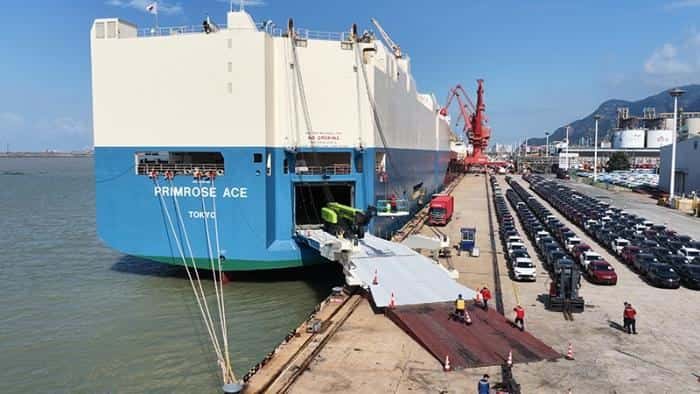
GAC S7 Export Process: From Inquiry to Port Delivery
The five steps
Inquiry & specification
Tell us the trim, quantity, colour and destination. We confirm availability and recommend the right configuration for your market.
Quotation & proforma invoice
You receive an itemised FOB or CIF quotation. Once agreed, we issue a proforma invoice (PI) with the vehicles, price, payment terms and delivery timeline.
Order confirmation & sourcing
After payment under the PI terms, vehicles are allocated. In-stock units ship within 10 working days; other configurations are sourced to the agreed timeline.
Inspection
Each vehicle is checked before loading and you receive photos or video. Independent third-party inspection can be arranged on request.
Shipping & documents
Vehicles are loaded by Ro-Ro or container. Export documents are sent so your customs broker can clear the cargo at destination.
FOB or CIF: which should you choose?
Choose FOB if you already have a freight forwarder. Under FOB (Free On Board) we deliver the vehicles on board the vessel at the Chinese port of loading; you pay the sea freight and take the risk from that point.
Choose CIF if you want one price to your port. Under CIF (Cost, Insurance and Freight) we also pay the freight and minimum insurance to your destination port. Risk still passes to you once the vehicles are on board in China — check whether you need additional insurance cover.
Both terms are defined by the International Chamber of Commerce in Incoterms® 2020. Import duties, taxes and port charges at destination are paid by the buyer under both terms.
Ro-Ro or container?
Ro-Ro (roll-on/roll-off) — vehicles are driven onto a specialised car carrier. It usually suits larger quantities on routes with regular car-carrier calls.
Container — vehicles are lashed inside a 40-foot container, which protects paint and interior and suits small orders or mixed loads. The number of units per container depends on vehicle size and the racking method; we confirm it in the quotation.
Plug-in hybrids contain a lithium battery and a fuel tank, so sea carriers treat them as dangerous goods under the IMDG Code. Battery charge level and fuel quantity must meet the carrier's rules; this is coordinated with the forwarder as part of export compliance.
Which documents will I receive?
Standard export documents for a vehicle shipment include:
- Commercial invoice and packing list
- Bill of lading (B/L) for sea shipments
- Certificate of origin
- Vehicle documents with VIN details
Some destinations require extra certificates or pre-shipment inspection. Tell us your country at the quotation stage and we will check what applies; see the market guides.
How are payment terms agreed?
Payment terms, currency and the delivery timeline are written on the proforma invoice for each order. Vehicles are allocated once payment is received under those terms.
After-sales support
Our team stays your contact after delivery — for documents, follow-up orders and questions about the vehicles you bought.
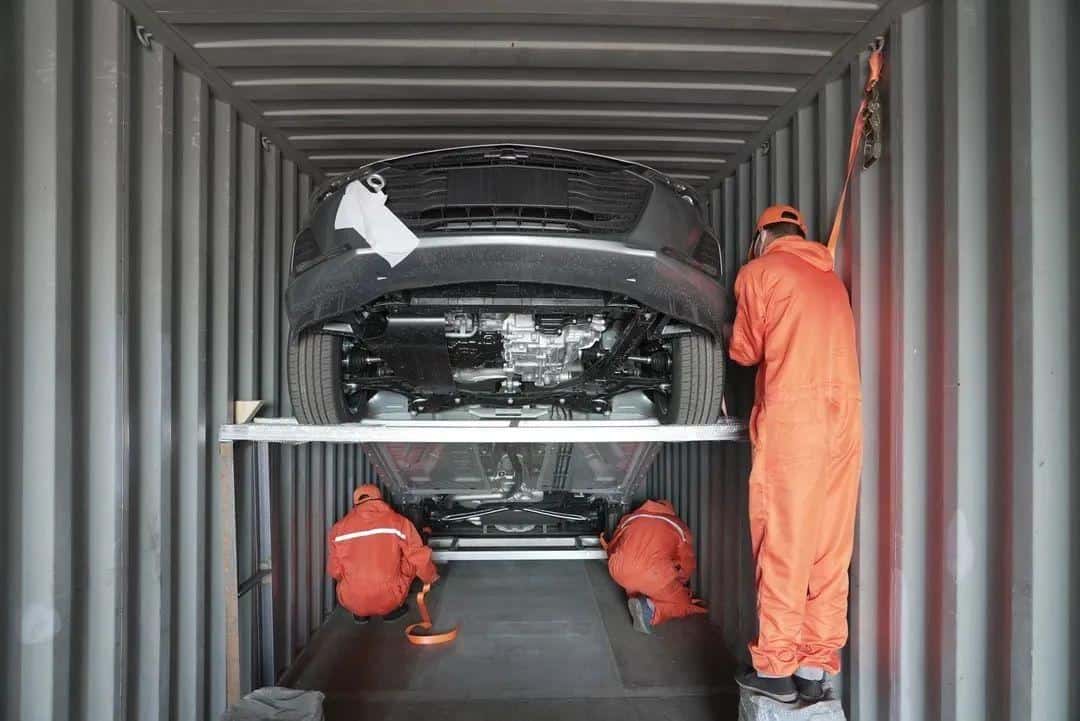
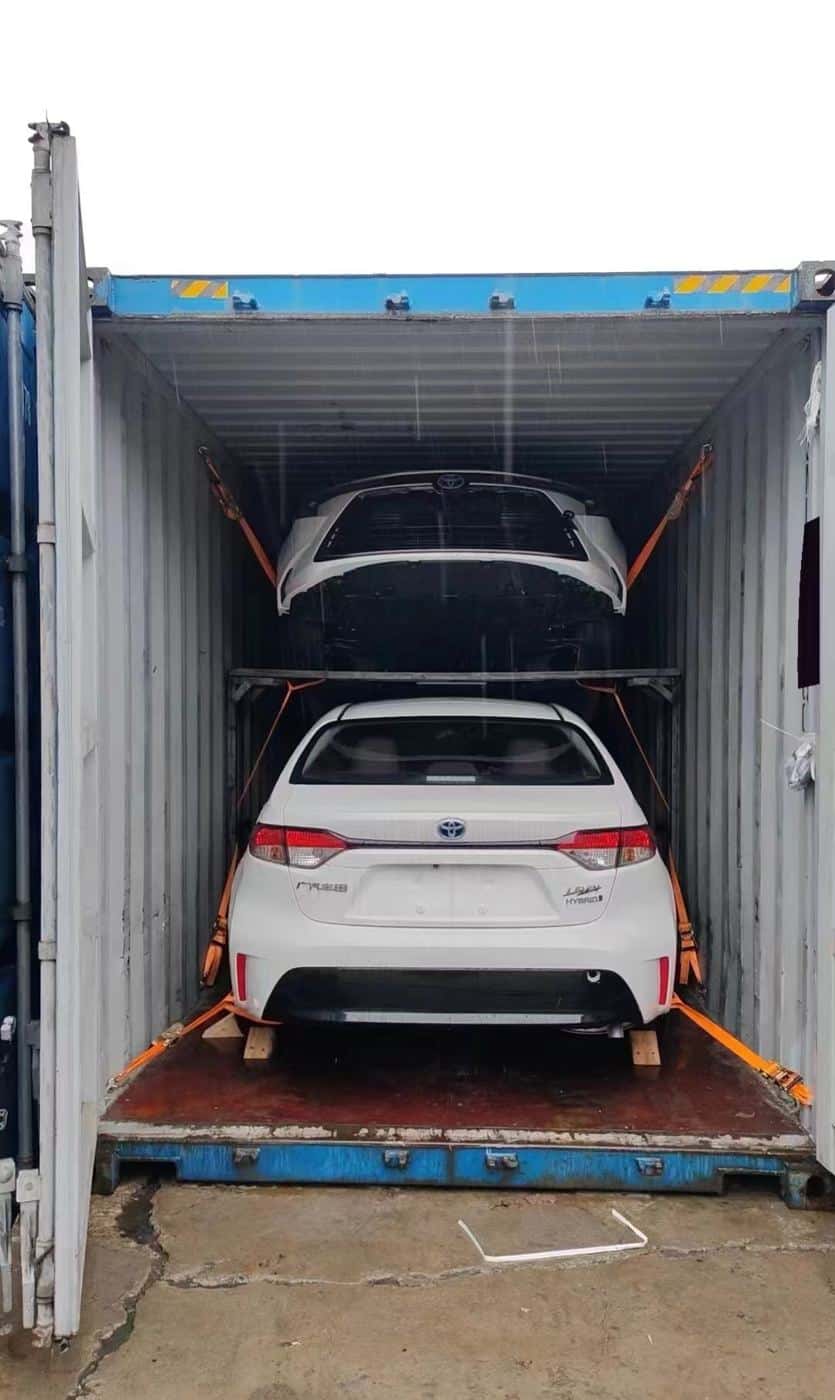
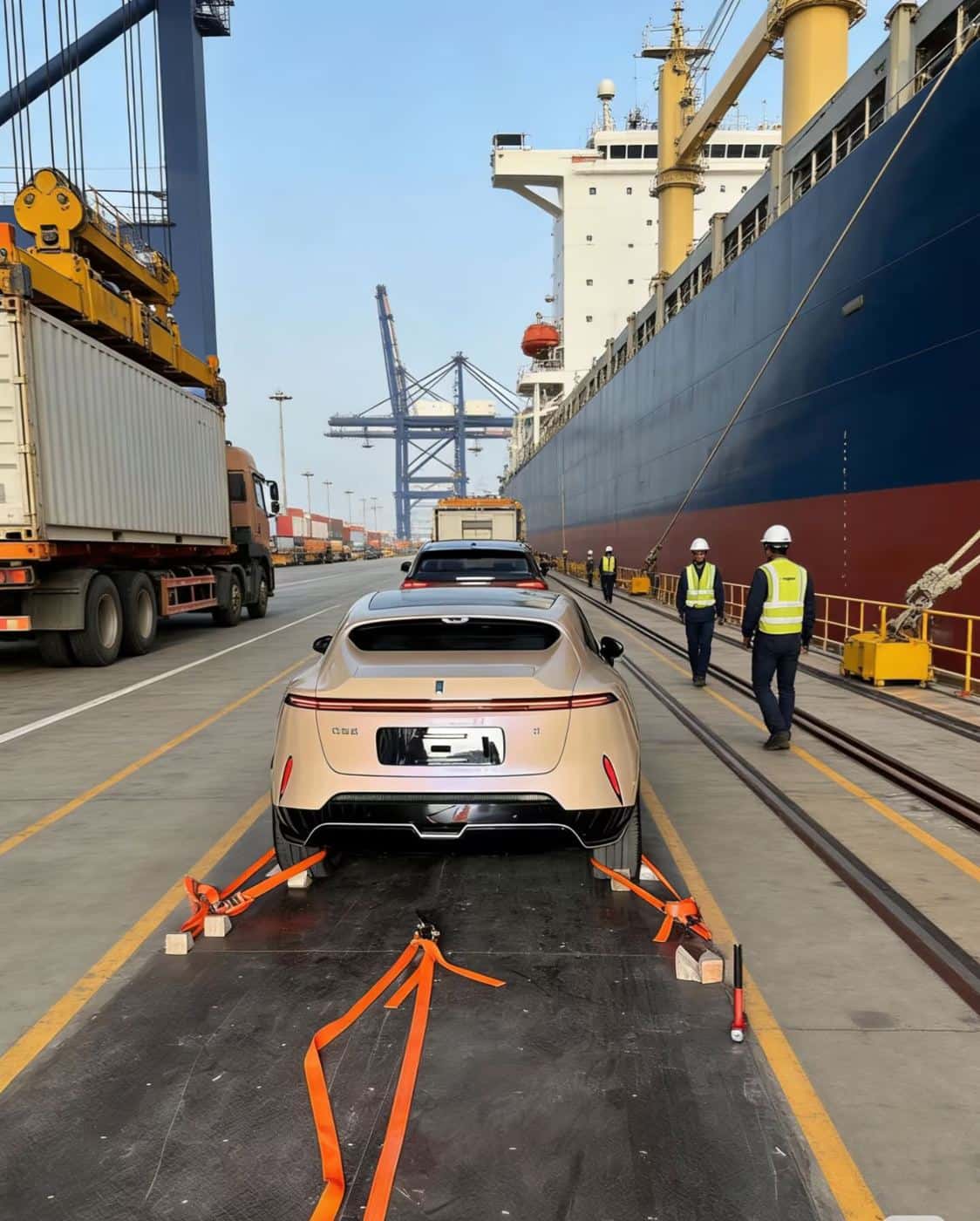
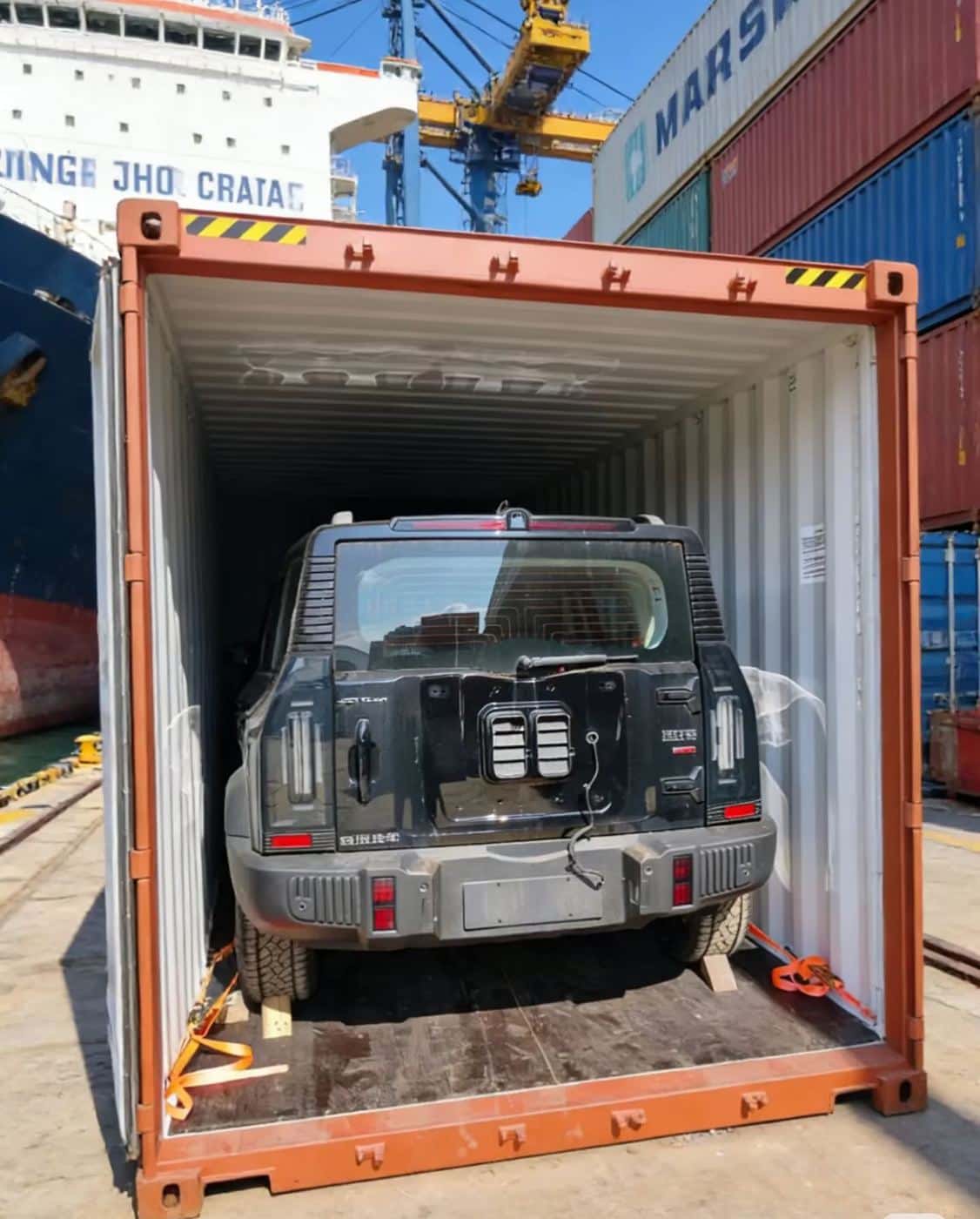
At each milestone, you will receive a photo or video confirming the status of your vehicle.
Ready to price the GAC S7 for your market?
Send the trim, quantity and destination port — sales replies within 24 hours with an itemised FOB/CIF quotation.